
By Dr. Bhavishya Handa
Shoulder pain can quietly affect your daily life—whether it’s difficulty lifting your arm, sleeping discomfort, or pain during routine movements. As the Best Shoulder Surgeon in Lajpat Nagar, I strongly believe that accurate diagnosis is the foundation of effective treatment. Every shoulder injury has a unique cause, and understanding it correctly is the first step toward long-lasting relief.
For fast information, direct chat with us on WhatsApp
In my clinical practice, diagnosing shoulder injuries is not about relying on a single test. It’s a structured, patient-centric process that combines medical expertise, advanced imaging, and a deep understanding of shoulder biomechanics.
Understanding the Complexity of the Shoulder Joint
The shoulder is one of the most complex joints in the human body. It allows a wide range of motion, which also makes it vulnerable to injuries. The joint is made up of bones, muscles, tendons, ligaments, and cartilage—all working together in perfect coordination.
Common shoulder problems include:
- Rotator cuff tears
- Frozen shoulder
- Shoulder dislocation
- Labral tears
- Tendinitis and bursitis
- Arthritis of the shoulder joint
As the Best Shoulder Surgeon in Lajpat Nagar, my goal is to pinpoint which structure is affected and why, rather than just treating the pain.
Step 1: Detailed Patient History – The Most Important Clue
Accurate diagnosis always begins with listening.
During the first consultation, I take time to understand:
- When the pain started
- Whether the injury was sudden or gradual
- Any history of trauma, sports injury, or repetitive movements
- Pain patterns (night pain, stiffness, weakness)
- Lifestyle, occupation, and activity levels
Many shoulder conditions have overlapping symptoms. A detailed history often reveals subtle clues that guide the entire diagnostic process. This personalized approach is one of the reasons patients trust me as the Best Shoulder Surgeon in Lajpat Nagar.
Step 2: Comprehensive Physical Examination
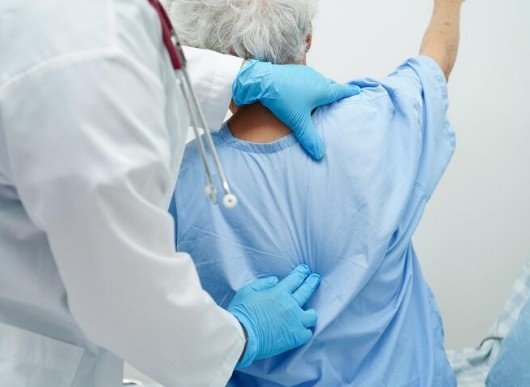
A hands-on clinical examination plays a vital role in identifying shoulder injuries accurately. I assess:
- Range of motion – active and passive
- Strength testing of shoulder muscles
- Specific orthopedic tests to identify tendon, ligament, or labral injuries
- Posture and muscle balance
Each test helps narrow down possible conditions. For example, rotator cuff tears and frozen shoulder may both cause pain, but their movement patterns differ significantly.
Clinical expertise developed over years of practice allows me to detect these differences early, reinforcing my role as the Best Shoulder Surgeon in Lajpat Nagar.
Step 3: Advanced Imaging for Precision Diagnosis
When clinical findings suggest internal damage, imaging studies are recommended to confirm the diagnosis.
X-Rays
Used to evaluate:
- Bone alignment
- Arthritis
- Calcifications
- Fractures or dislocations
MRI Scans
MRI is especially valuable for diagnosing:
- Rotator cuff tears
- Labral injuries
- Ligament damage
- Cartilage degeneration
- Ultrasound
Dynamic ultrasound helps assess tendon movement in real time and is useful for guiding injections when needed.
Imaging is never ordered blindly. As the Best Shoulder Surgeon in Lajpat Nagar, I use these tools strategically to ensure accuracy while avoiding unnecessary tests.
Step 4: Correlating Symptoms with Imaging Findings
One common mistake in shoulder treatment is treating reports instead of patients.
A tear seen on MRI may not always be the cause of pain, especially in older individuals. That’s why I carefully correlate:
- Patient symptoms
- Physical exam findings
- Imaging results
This integrated approach ensures that treatment is directed at the actual problem, not just what appears on paper. This philosophy has helped many patients avoid unnecessary surgery and recover faster.
Step 5: Functional & Lifestyle Assessment
Shoulder injuries affect people differently based on their daily demands.
For example:
- Athletes require stability and strength
- Office workers may struggle with posture-related pain
- Homemakers often face repetitive strain injuries
Understanding how the shoulder is used daily helps me tailor both diagnosis and treatment. This holistic approach is a defining trait of the Best Shoulder Surgeon in Lajpat Nagar.
Why Accurate Diagnosis Matters So Much
An incorrect or incomplete diagnosis can lead to:
- Delayed recovery
- Worsening of injury
- Ineffective treatments
- Unnecessary surgery
Accurate diagnosis allows:
- Targeted physiotherapy
- Proper medication planning
- Timely surgical intervention when required
- Faster and safer recovery
This is why I emphasize precision at every step.
When Surgery Becomes Part of the Diagnosis
In certain cases, minimally invasive procedures like diagnostic arthroscopy may be recommended. This allows direct visualization of internal shoulder structures and simultaneous treatment if needed.
As the Best Shoulder Surgeon in Lajpat Nagar, I always consider surgery as a last option, only when conservative methods are unlikely to provide relief.
Patient Education: An Often Overlooked Step
I believe patients heal better when they understand their condition.
During consultations, I take time to explain:
- What is causing the pain
- How the injury developed
- What treatment options are available
- Expected recovery timelines
Clear communication builds trust and helps patients actively participate in their recovery journey.
Why Patients Trust Dr. Bhavishya Handa
Patients choose me not just for treatment, but for clarity, compassion, and confidence in diagnosis. My approach blends medical science with empathy, ensuring every patient feels heard and supported.
If you’re looking for the Best Shoulder Surgeon in Lajpat Nagar, accurate diagnosis isn’t just a step—it’s a commitment to your long-term shoulder health.
For more information, visit https://drbhavishyahanda.com/.